

Yellow: with caution
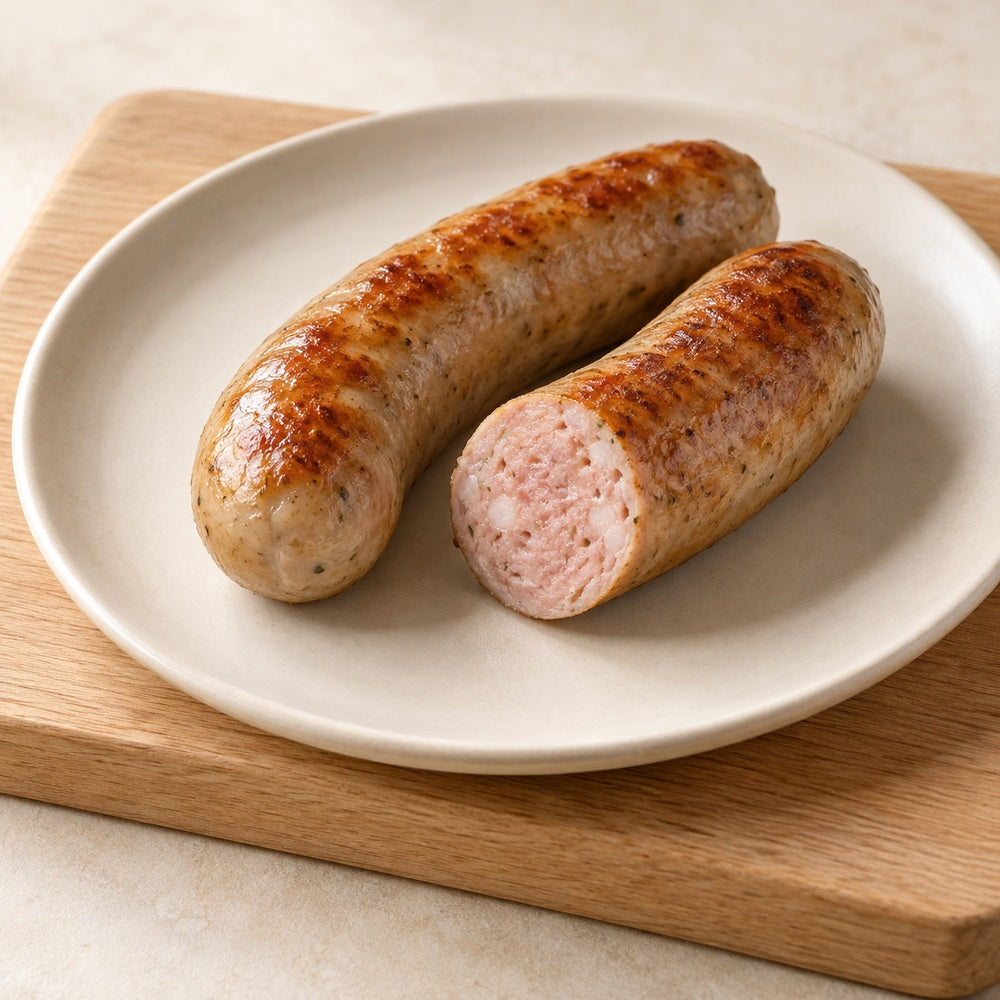
Best avoided, although a dropped piece is not an emergency. Sausages are not toxic to dogs in the way chocolate is. However, according to the American Kennel Club (AKC), they contain plenty that is not good for dogs, especially salt.

Why sausages get a yellow rating
Salt: according to the ASPCA, too much causes excessive thirst and frequent urination, with vomiting, diarrhoea, trembling and seizures in severe cases. The MSD Veterinary Manual describes dogs vomiting within a few hours of consuming too much salt. Seasoning: many sausages contain onion or garlic, which the ASPCA says can damage red blood cells. Fat: according to the ASPCA, high-fat foods can cause vomiting, diarrhoea and pancreatitis. Liver sausage has its own entry.
What to watch out for
- Choose plain meat instead: If you want to offer meat, the AKC recommends cooked beef, pork or chicken without salt or seasoning.
- At the barbecue: According to the AKC, sausages also pose a choking risk, especially for dogs that gulp food.
- Do not train with sausage: Lots of small rewards throughout the day add up.
- Check the ingredients: With sausages containing onion or garlic, every slice counts.
What if your dog steals a sausage?
According to the AKC, a single sausage is unlikely to cause harm. A rumbling stomach or diarrhoea is possible and should pass within a day. Provide plenty of water, as salt makes dogs thirsty. If diarrhoea persists or vomiting develops, call your vet. If your dog has eaten a whole packet or heavily seasoned sausage, call straight away and explain what it was and roughly how much was eaten.
If you suspect poisoning, go straight to your vet or an emergency veterinary service.

Check whether your dog is getting the right amount of food in just a minute with our feeding calculator. Our book takes a closer look at feeding: “Hundeernährung und Futterplan” (book in German). For those first weeks with a puppy, try our free Puppy Starter Pack, and for a picture of your dog to hang on the wall, explore dog portraits from your own photo or choose a single portrait.
Further reading
- Is my dog overweight? How to assess body condition and ideal weight
- Calculating your dog’s food portions: how much your dog really needs
- Adding rice and potatoes to dog food: how to account for extras
Sources, accessed on 20.10.2026: ASPCA Animal Poison Control, People Foods to Avoid Feeding Your Pets (Salt, Onion, Garlic, Chives, Nuts/Fatty Foods); MSD Veterinary Manual, Salt Toxicosis in Animals; American Kennel Club, Can Dogs Eat Hot Dogs? and Human Foods Dogs Can and Can't Eat.
The links to our books are affiliate links. Buying through them supports us at no extra cost to you.


